

What Should You Do If the Tire Pressure Light Comes On in Your Car?
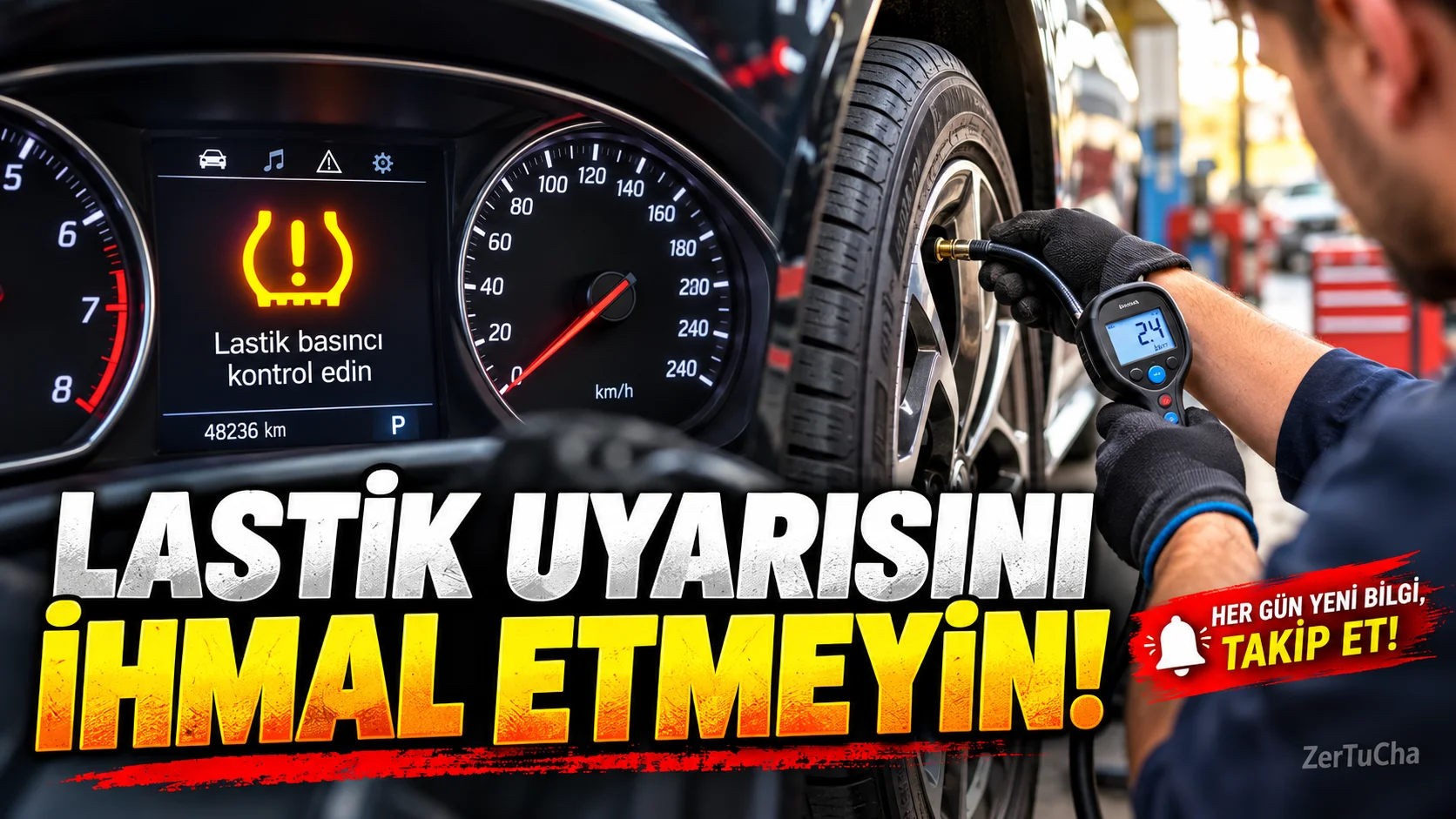
If the Tire Sign on the Instrument Panel is Light, Do Not Ignore!
You saw a tire-shaped symbol with an exclamation mark on the instrument panel. Your vehicle may be driving normally, but it is not right to ignore this warning.
If your vehicle is equipped with a tire pressure monitoring system, this symbol may indicate that the pressure in at least one of the tires is low. In some vehicles, the warning flashing and then remaining lit indicates that there may be a malfunction in the system.
The U.S. National Highway Traffic Safety Administration (NHTSA) recommends having tires checked as soon as possible when the tire pressure warning comes on. He also specifically states that the warning system does not replace regular tire checks. NHTSA
1. First observe how the warning light comes on
The tire pressure warning can occur in different ways.
If the light is constantly on: At least one tire may have low pressure. Stop in a safe place and check the tires.
If the light appears briefly without flashing in cold weather: Temperature drop may affect tire pressure. However, do not ignore the warning without measuring the pressure.
If the light blinks and then stays on: On some systems this may indicate a malfunction in the tire pressure monitoring system itself. Check your vehicle's owner's manual and contact service if necessary. NHTSA
2. Check tire pressure to correct value
Do not adjust tire pressure by guessing.
You can find the correct pressure value from the following places:
- Information label on the inner edge of the driver's door
- Vehicle manufacturer's user manual
- Technical information published by the manufacturer specifically for your vehicle
NHTSA emphasizes that the correct pressure should be based on the pressure specified by the vehicle manufacturer rather than the maximum pressure on the tire. NHTSA
3. Measure the pressure when the tires are cold whenever possible
Tires become hot while driving. This may affect the pressure measurement.
For a more accurate check:
- Park your vehicle in a safe place.
- If possible, measure tires that have not been used for at least three hours.
- Use a reliable tire pressure gauge.
- Check the manufacturer's specifications for the front and rear tires separately.
- If there is low pressure, add air accordingly.
- Verify that the correct value has been reached by measuring the pressure again.
NHTSA recommends that tires be checked when cold and the pressure adjusted according to the vehicle manufacturer's recommendation. NHTSA
4. It is not enough for the tire to look normal to the eye
You cannot always visually notice when tires are low on air.
So don't make a decision just by looking at the tire. Use a pressure gauge.
Also note:
- If the tire has a cut, balloon or obvious damage
- If the pressure drops again in a short time
- If the tire appears to be flat or severely flat
- If you feel pulling, vibration or loss of control in the vehicle
Do not continue driving with these symptoms. Stop in a safe place and get roadside assistance if necessary.
5. If the warning does not go off after correcting the pressure
If the warning continues even though you have adjusted the tire pressures to the correct value, make the following checks:
- Remeasure the pressure in all tires.
- Compare with the values specified by the vehicle manufacturer.
- Have the tires checked for leaks or damage.
- If there is a TPMS reset or calibration instruction in the vehicle owner's manual, follow it.
- If the warning persists, contact service.
The reset method is not the same for every vehicle. In some vehicles, the system updates automatically, while in others, calibration may be required from the menu. Do not apply any random reset method without knowing your model.
6. How does the TPMS system work?
The tire pressure monitoring system monitors the pressure of the tires and warns the driver in certain conditions.
According to NHTSA, systems can use sensors directly in tires or indirect methods that use other vehicle data, such as wheel speeds. For this reason, not every car's warning system has the same structure. NHTSA
There is another important point: The fact that the TPMS warning goes off does not mean that the tires are perfect in all aspects. Tires may have damage, uneven wear, or other problems.
Conclusion: It is important not to extinguish the warning, but to find the cause
Do not try to remove the tire pressure warning from the instrument cluster alone. First measure the actual pressure, check the condition of the tires and follow the vehicle manufacturer's recommendations.
Safety note: If the tire pressure warning is on, do not delay checking. If the tire is severely flat or the vehicle has lost safe driving characteristics, seek assistance instead of continuing driving.
Official source: NHTSA tire safety and pressure guide




Henüz yorum yapılmamış. İlk yorumu siz yapın!
Bir Yorum Bırakın