

More than 11 Million Records Leaked at Burger King Japan: What Risks Should Customers Beware of?
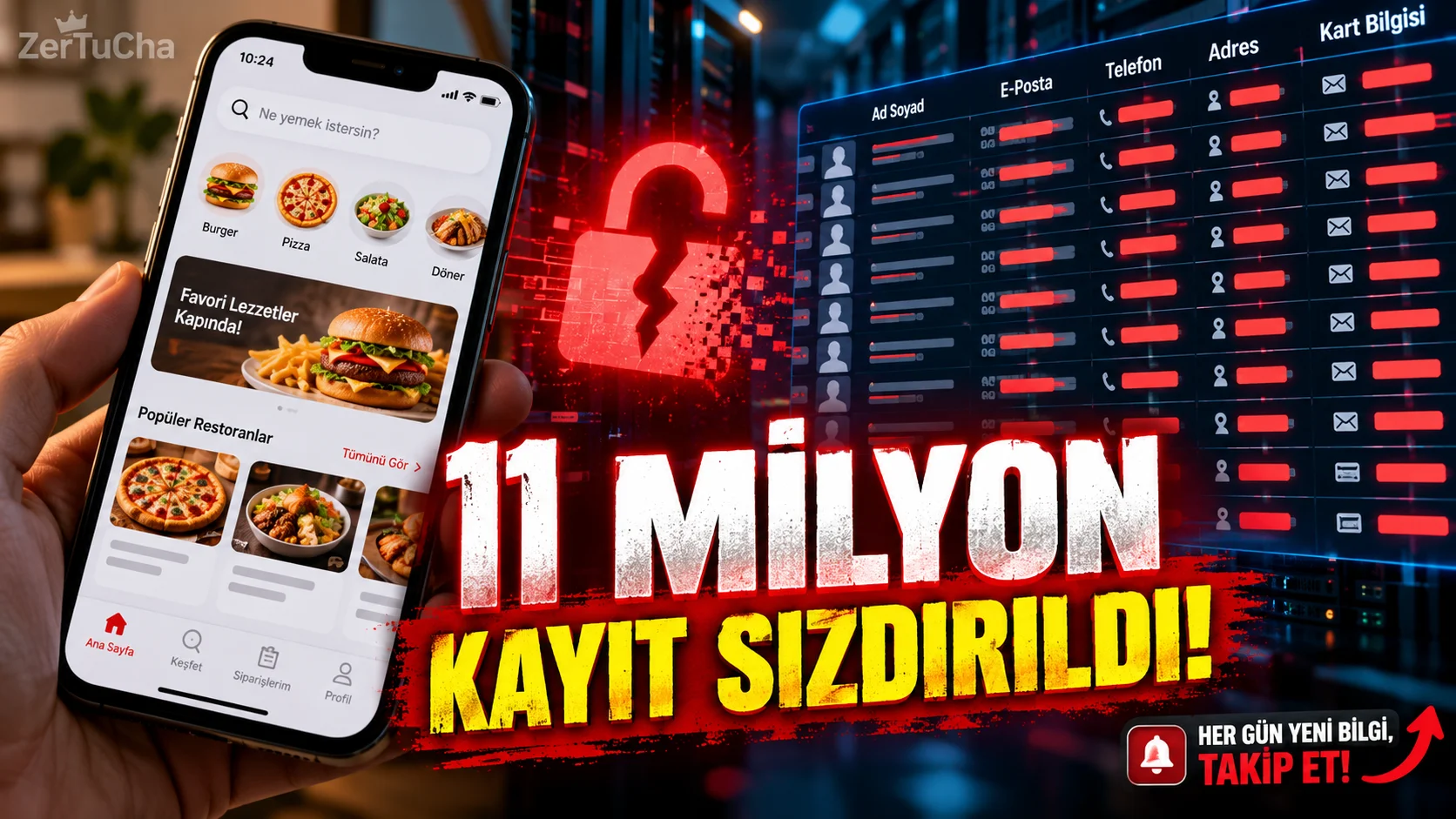
What personal information may be present in a food ordering application?
When using a food app, you often think you're just ordering. However, your name, contact information, date of birth and past orders can also be kept in your account.
In the event of a data leak, this information can make it easier for fraudsters to prepare targeted messages.
According to BleepingComputer's news dated October 16, 2026, Burger King Japan announced that there was unauthorized access to the system that manages member information of its official application. The company's reported number of registrations is 11.18 million. BleepingComputer
The important detail is: This incident concerns user logs of the Burger King app in Japan. The news does not indicate that Burger King users in Türkiye were also affected.
What information may have been affected?
According to the company statement cited by BleepingComputer, the affected servers contained the following information:
- First and last name
- Date of birth
- Gender
- E-mail address
- Phone number
- Order history
The company states that credit card numbers were not found on the server in question and there was no evidence that user login information was compromised. It also says any secondary fraud cases linked to the incident were not confirmed at the time. BleepingComputer
The point to note here is that the fact that credit card information was not leaked does not mean that the incident is unimportant.
An attacker can send you a more convincing message when they know your name and phone number. For example, they may create a fake discount or delivery notification using the name of a business you have ordered from in the past.
What should you do after such a data leak?
If there is no information that this incident directly affects you, there is no need to panic. However, if a similar leak affects the service you use, these steps will be useful.
1. Find the official statement. Verify which service is affected and what data has been leaked.
2. Check your email carefully. Verify through an independent channel whether the company really wants a transaction from you.
3. Opening unexpected SMS links. Be especially careful of links sent under the pretext of refunds, coupons or account verification.
4. Evaluate your account password. If the password you use for the affected service is also used elsewhere, set unique passwords for other accounts.
5. Enable two-step verification. Add a second layer of verification to your account if the service supports it.
6. Track your payment transactions. Contact your bank if you see suspicious transactions in your bank account, even if the company has stated that your card information is not affected.
7. Follow official notifications. New findings may be released as the company continues its investigation.
What is the real problem for companies?
BleepingComputer reports that Burger King Japan reported the incident to Japan's personal data protection agency and began working with external cybersecurity experts to investigate how the attack occurred. BleepingComputer
Protecting a database is not just about using strong passwords. The application's APIs, server access controls, configurations and authentication mechanisms must also be secure.
Quick result
Even if you only provide your name and phone number to an application, that information can be used in fraudulent attempts.
The most important precaution is not to accept every message that comes after the leak as true and to use account information only in official channels.


Henüz yorum yapılmamış. İlk yorumu siz yapın!
Bir Yorum Bırakın